
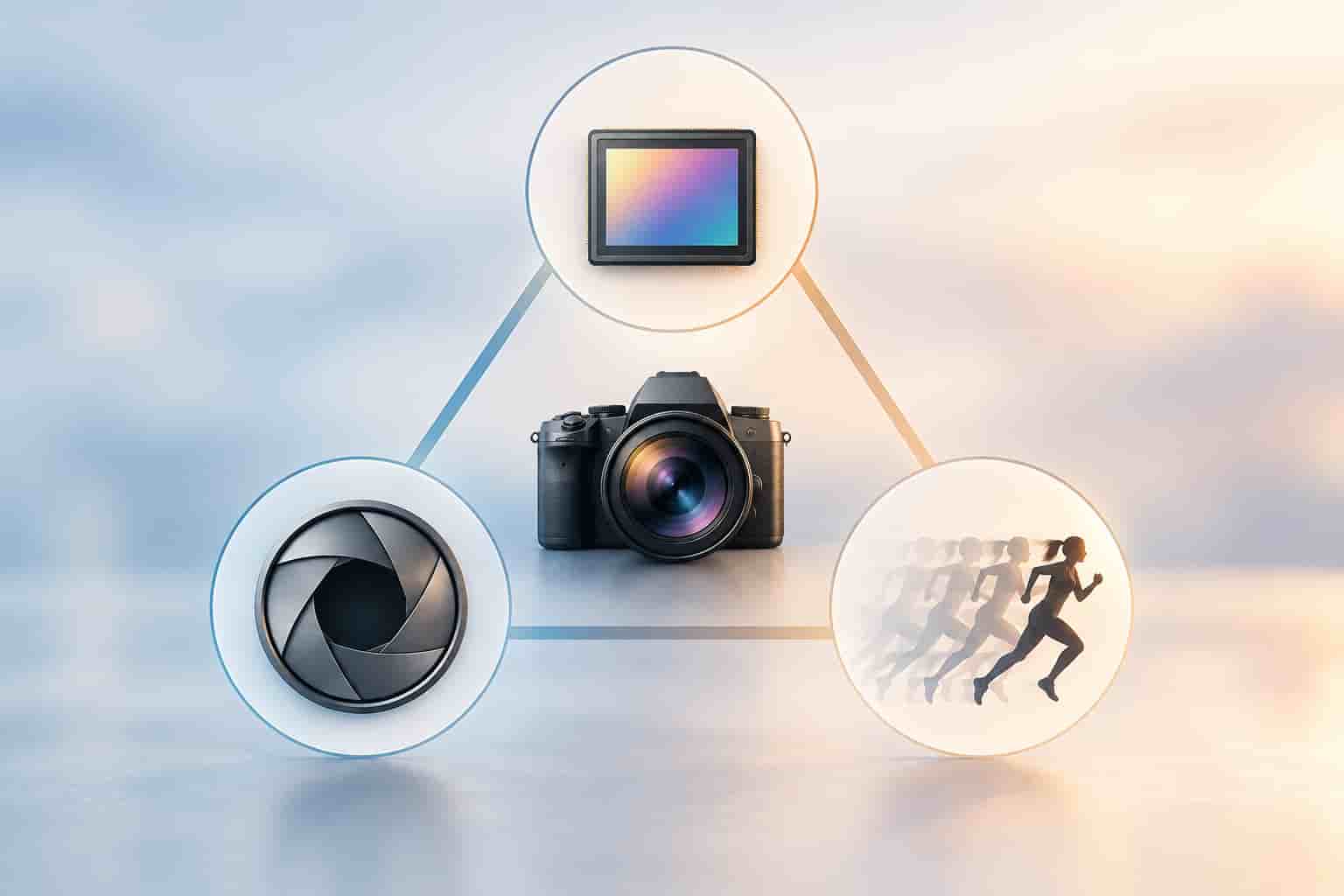
Think of exposure as how bright or dark your final photo turns out. Get it right and your image looks natural and well-lit. Get it wrong and you end up with a photo that’s too bright (overexposed) or too dark (underexposed). The good news is that exposure is controlled by just three settings — shutter …
level archives:
ISO: The Camera Setting That Helps You Shoot in Brighter or Darker Conditions
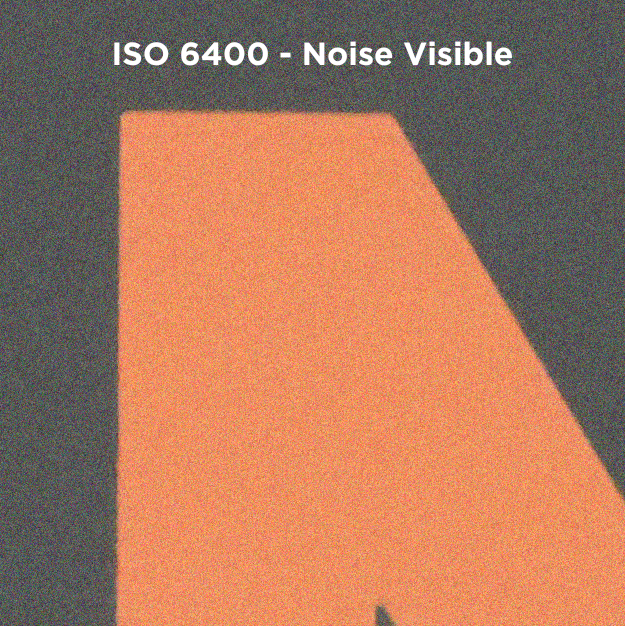
ISO controls how bright your photo appears by changing how strongly the camera processes the light it has captured. In simple terms, a low ISO uses less amplification, and a high ISO uses more. Common ISO values are typically 100, 200, 400, 800, 1600, and higher. That trade-off is the key idea with ISO: raising …
Continue reading “ISO: The Camera Setting That Helps You Shoot in Brighter or Darker Conditions”
Shutter Speed: The Camera Setting that Controls Sensor Exposure Time
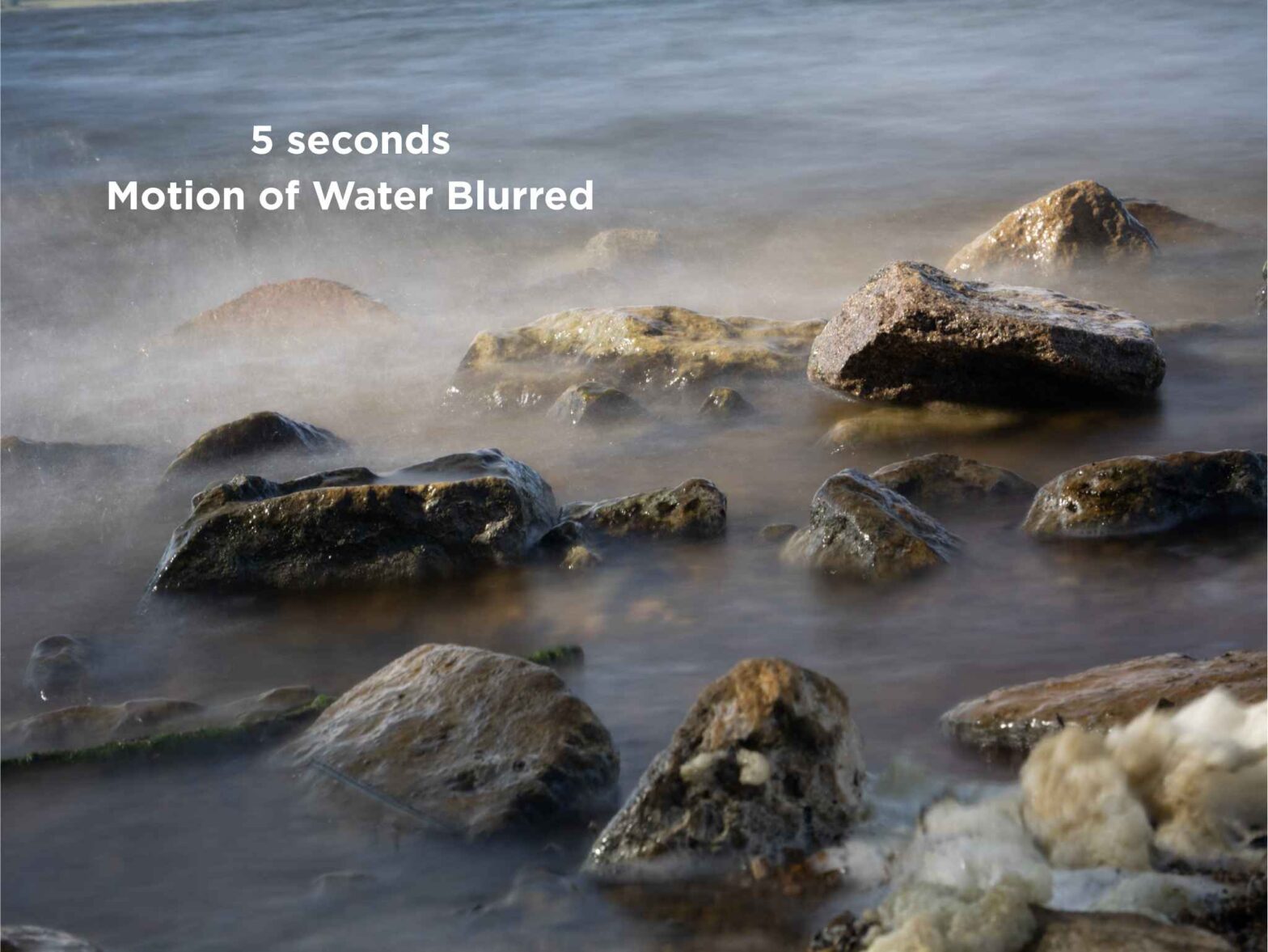
Think of shutter speed as how long the camera’s “eyelid” stays open when you take a photo. The shutter opens, light reaches the sensor, and then it closes again. Shutter speed is measured in seconds or fractions of a second, such as 1/1000, 1/250, 1/60, 1 second or longer. In general, a faster shutter speed …
Continue reading “Shutter Speed: The Camera Setting that Controls Sensor Exposure Time”
Aperture: The Camera Setting That Controls Light and Background Blur

Think of aperture as the camera’s “pupil”: an opening inside the lens that widens or narrows to control how much light reaches the sensor. Aperture size is described using f-numbers (like f/1.8, f/5.6, f/16). Here’s the part that often feels backwards at first: The diagram below shows how the opening changes as the f-number changes. …
Continue reading “Aperture: The Camera Setting That Controls Light and Background Blur”